Why we write about the night nobody advertises

A small desk for the hours between boarding and arrival

halmyroly exists because the sleeping car is treated like a footnote. Ticket sites show a berth and a time. They rarely explain how you claim a lower bunk, what happens when the corridor lights stay on, or how to meet a city that is still closed when you step off at dawn. We built this project to answer those quiet, practical questions — and to offer conversations when a route needs more than a checklist.

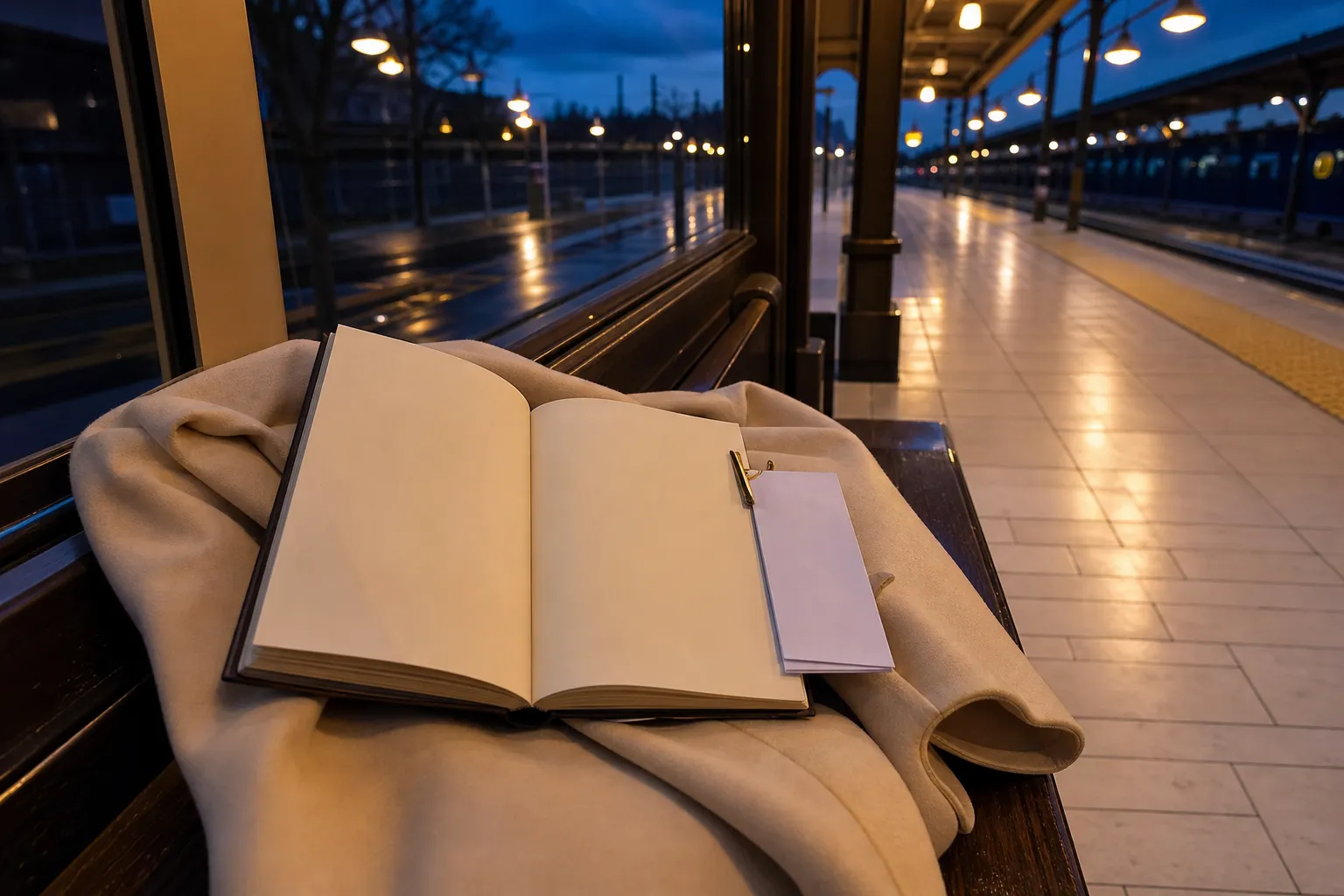
Travel notebook open on a station bench beside a rolled coat, platform lights reflecting in a dark window, a folded berth ticket clipped to the page margin, evening blue light across the tiles, 1600x900
Origin

The project started with one badly packed night

The idea for halmyroly did not come from a marketing brief. It came from a routine overnight ride where everything on the ticket was correct and everything in the car still felt improvised. The lower berth had been taken by bags before anyone asked. The reading lamp stayed on because nobody knew whether turning it off was allowed. At a long stop, half the compartment stood in socks in the corridor while someone searched a hard-shell case for a toothbrush.

That ride was not unusual. It was normal — which is exactly why it was missing from most travel writing. Guides praised scenery and stations. They skipped the part where you negotiate space with strangers at eleven at night. We kept riding, kept notes, and realised the gap was consistent: people wanted to know how the car works, not how romantic the rails look in a photograph.

We chose overnight trains as a focus because they compress culture into a few square metres. You see how people share light, sound, and time. You learn quickly what is considered polite and what is simply tolerated. A day trip lets you stay anonymous. A night in a berth does not.

halmyroly is not a booking service and not a fan club for rail travel. It is a place to read honest field notes and, when useful, to talk through a specific leg of a route with someone who has slept in the same kind of car recently. We stay with the unglamorous details because that is where most first nights go wrong — and where a little preparation helps most.

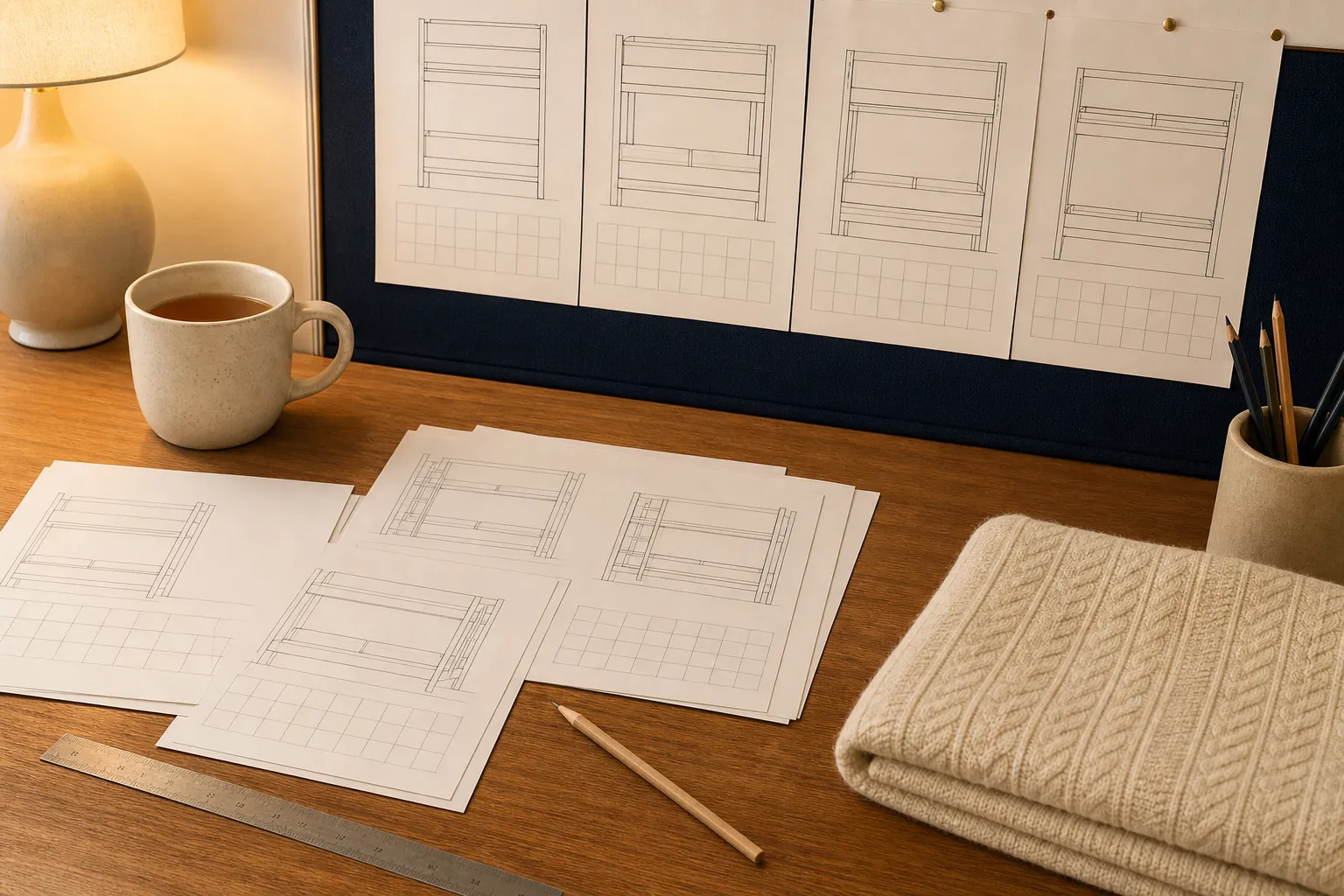
Desk scattered with handwritten berth diagrams, a printed seating chart marked in pencil, a small lamp, and a mug of tea beside a folded blanket sample, warm indoor light, 1400x1050
Editorial method

How a note becomes something you can use

Every article and every consultation brief begins as a field observation: what was issued with the berth, how long the attendant took to pass, whether the washroom queue formed before dawn, and what passengers did in the first minutes after boarding. We write those details the same evening, while they are still precise, not weeks later from memory.

Before publication, a second reader checks the note against two sources: the operator’s current printed guidance, when it exists, and at least one recent ride report from a different team member. If the car layout changed — new power sockets, different linen, a door that no longer locks — we update the text or add a clear caveat that conditions vary by train.

We do not publish unchecked rumours about “secret” cars or insider shortcuts. If we cannot verify a detail, we say so plainly or leave it out. Our goal is not to be first with gossip. It is to be useful when someone is standing in a narrow aisle with a ticket and a bag and needs to know what usually happens next.

Consultation notes follow the same rule. When a client sends a route, we match it to the closest interior we have documented, list what still needs confirming with the operator, and separate facts from habits that may differ by region or season.

Consultation path

From your first message to a plan you can carry on board

A consultation is a conversation, not software. These are the stages we follow so your questions receive a structured answer rather than a generic essay about rail travel.

  1. You describe the leg, not the whole trip

    Send the overnight segment: departure time, car type if you know it, who travels with you, and what worries you most — noise, early arrival, upper berth, or sharing a compartment. We ask follow-up questions only where the answer changes the advice.

  2. We match the car and list unknowns

    We compare your ticket description to our interior notes and flag what must be confirmed with the operator: linen, power, meal service, and whether “sleeper” on your booking means a flat bed or a deep recline only.

  3. You receive a boarding sequence and a pack list

    The written brief covers the first half hour on board, what to keep in a night pouch, how to raise berth and light questions with neighbours, and what to plan for the hour after arrival if you land before the city opens.

  4. We stay available for one revision

    If the operator changes your car or your connection shifts, send the update. We adjust the brief so you are not working from instructions written for a compartment you no longer have.

A berth is borrowed space. You did not build the car, you do not set the timetable, and the people beside you did not choose you either. Good overnight travel is mostly about not taking more than your share of light, sound, and floor.

— working principle at halmyroly
Travel ethics

How we ask clients to behave in a shared car

Overnight trains move through places you may never see in daylight. That does not make the car a neutral room. Attendants work long shifts on little sleep. Other passengers may be commuting out of necessity, not curiosity. We treat the car as someone else’s workplace and bedroom at once.

We advise clients to settle berth and light questions early, keep voices low after the corridor dims, and avoid strong food smells in enclosed compartments. Shoes belong where local custom puts them — often off the blanket zone — and bags stay off the aisle. Phones face down or use a red-filter screen; a bright rectangle at two in the morning is never as private as it feels.

We also speak plainly about limits. You cannot demand silence in an open berth. You can prepare earplugs, choose a compartment when privacy matters, and accept that some stops will flood the car with platform light. Ethics here means knowing what you can reasonably ask of neighbours and what you must solve yourself.

Partners

Organisations we learn from — and how we choose them

We sometimes work with rail museums, passenger associations, and training programmes that care about overnight travel. These names are fictional placeholders for the kind of partners we accept; real names appear in signed agreements only.

What we look for
A partner must publish accurate carriage diagrams, welcome questions from ordinary passengers, and allow our team to ride or inspect interiors without a publicity script. We decline venues that treat overnight travel as a luxury photo shoot rather than a shared routine.
What we do not do
We do not sell tickets through partners, we do not take commission on bookings, and we do not let a partner’s marketing language appear on our pages without a field check. If a museum claims a restored sleeper represents “typical” travel, we say when it represents history instead.

Midnight Corridor Archive

Historical carriage reference

A fictional museum consortium that loans layout drawings and bedding samples from retired sleepers. We use their records to explain how older berths differ from modern ones — useful when a client’s ticket description uses legacy terms.

Berthcraft Field School

Practical skills workshops

A fictional training programme where attendants and frequent passengers demonstrate packing, washroom timing, and upper-berth access on static cars. Our team refreshes notes there when a new interior class enters service.

Night Line Passenger Council

Feedback channel

A fictional association that collects anonymous ride reports from overnight commuters. We read their summaries for patterns — recurring complaints about light, heating, or announcement volume — before we update public guides.

Ask about your overnight leg

Send the car type if you know it, your rough boarding time, and what you are unsure about. We reply with plain language — no booking links, no promises of sleep — and point you to articles that match your situation.

Contact Us

Read the field guides first

Our articles cover boarding order, packing, berth agreements, and mornings after early arrival. They are written to stand alone if you prefer to prepare without a conversation.

Learn More

Please read before you travel

halmyroly provides knowledge about overnight train travel and offers consultations on this part of a route. The materials on this site are written to help you understand sleeping cars, boarding order, and ordinary cabin manners. They describe our observations and our advisory work. They are not a substitute for the rules of the railway you travel with, and they are not a booking service.

We do not promise rest, quiet, or any effect on your health. Motion, heat, interrupted sleep, and crowded washrooms are common on night cars. Questions about wellbeing, motion sensitivity, or whether a night journey is appropriate for you belong with qualified specialists, not with a travel desk.

Conditions change between rides. A carriage may be refitted, a station building may close overnight, an attendant’s pass may follow a different pattern, and what is issued with a berth can differ from the last time the same train ran. Confirm details close to departure with the operator, and treat our notes as a starting brief rather than a guarantee of the car you will find.

Any decision you make — to board, to choose a berth type, to pack a certain way, or to arrive at a given hour — is yours. halmyroly is not responsible for the outcome of independent choices, missed connections, discomfort on board, or changes made by railways and stations after you have read these pages.