The Problem with Arriving Before a City Wakes
Night trains frequently pull into terminus stations between four and six in the morning. At that hour the concourse lights are on but everything behind them — cafés, left-luggage offices, information desks — is sealed. You step off the car carrying all your things, and the city offers nothing except cold air and the sound of a floor polisher somewhere down the hall.
The instinct is to sit on the first bench and wait. That works for twenty minutes. After that, tiredness from a half-night of sleep catches up, you start watching your bag instead of resting, and two hours feel like five. A better approach is to decide before boarding where you will go and what you will do during that window.
Research the Station Itself First
Some stations have a 24-hour waiting hall with padded chairs. Others lock their waiting rooms overnight and reopen at six. The difference matters enormously when you are standing on a platform at quarter to five. Check the station operator's website or a rail forum the evening before departure: look for phrases like "night waiting room," "24-hour access," or "heated hall."
- Confirm whether the main hall stays open all night or closes between certain hours
- Look for a map of the station showing which exits lead to the city centre versus industrial areas
- Note whether lockers are available before staff arrive — some operate with coins or cards around the clock
- Find out if there is a pharmacy or convenience kiosk inside the station that opens early
Mapping a Walking Route in Advance
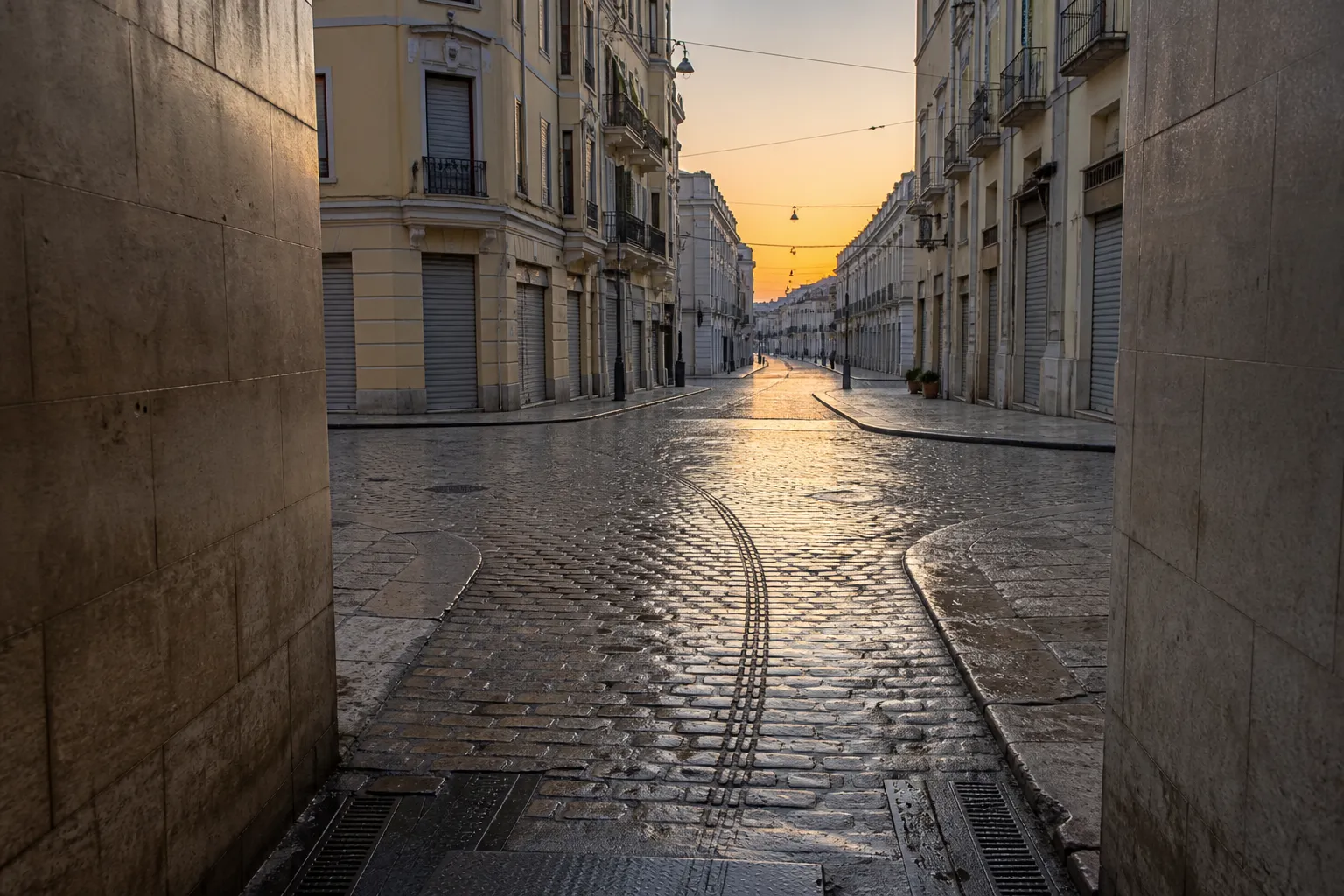
A short walk of ten to fifteen minutes does two things: it warms you up and it moves you closer to a neighbourhood where something opens early. Bakeries and market stalls often begin serving long before restaurants. If you identify one such spot on a map before you board the train, you will not wander aimlessly through streets where every door is shut.
Choose a route along main roads, not back alleys. Early morning means fewer people around, and visibility matters for comfort and orientation. A route that passes a park or a river is pleasant but only if there is a destination with an open door at the end of it.
What Makes a Good Dawn Destination
- It opens before six in the morning on the day you arrive
- It has indoor seating where lingering is tolerated
- It offers at least a hot drink and a washroom
- It is within a fifteen-minute walk of the station, or reachable by a single tram that runs at that hour
The worst early mornings are the ones where you trusted luck. The best ones had a single address written on a slip of paper inside your coat pocket.
What to Carry for Those Two Hours
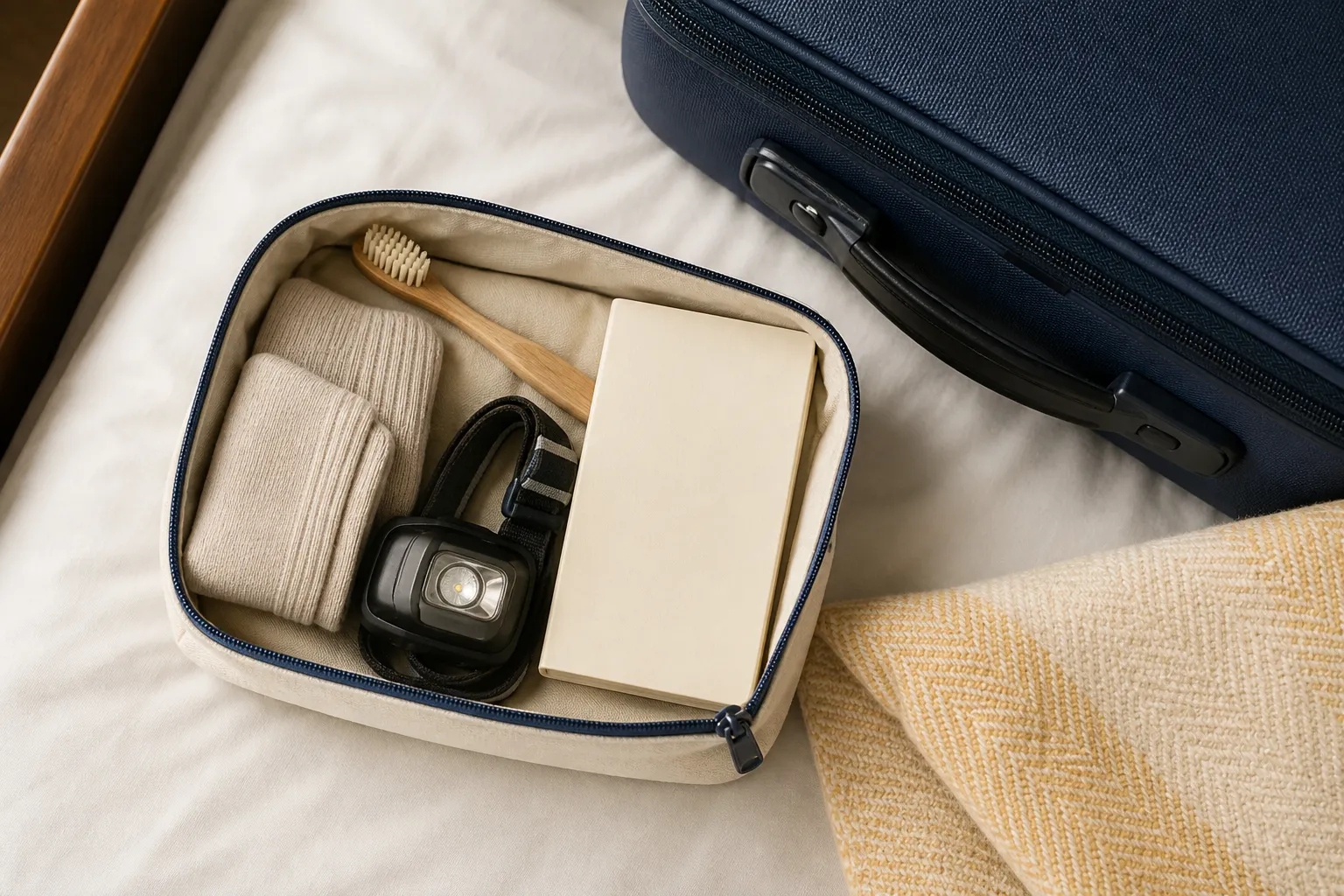
You do not need a special kit, but you do need easy access to a few things. If your main bag is a rolling suitcase, keep a thin shoulder bag or large pocket with these items separate so you are not unzipping a full case on a wet kerb.
- A bottle of water filled the night before — station shops will not be open
- A compact snack that does not crumble or need cutlery
- A phone charger cable and a small power bank — your phone guided you off the train and will guide you to breakfast
- A light scarf or buff for wind — station halls funnel cold air even in summer
- Coins or a contactless card for lockers or early vending machines
Public Transport at Dawn
Most metro systems start between five and half past five. Trams and buses vary more widely. Knowing the first departure time on your line prevents you from standing at an empty stop wondering whether service has started. A screenshot of the timetable on your phone takes five seconds and removes all doubt.
If you planned a connection to another train later that morning, confirm the platform the evening before. Screens in the station sometimes do not update until half an hour before departure, and at five in the morning there may be no one at the desk to ask.
The Taxi Question
Taxis wait outside major stations around the clock. Whether to take one depends on distance, cost, and how much you trust your sense of direction at that hour. If your accommodation is more than two kilometres away and you are carrying heavy luggage, a short ride saves energy you will need for the rest of the day. If it is a ten-minute walk along a lit boulevard, save the fare and walk — the cool air will finish waking you up.
Accommodation Check-in Timing
Most hotels do not allow check-in before fourteen or fifteen o'clock. That leaves roughly nine hours between stepping off the train and gaining access to a bed. Some hotels offer early check-in for an extra charge; others have a luggage room. Contact the front desk before your trip and ask three things:
- Can I store luggage from six in the morning?
- Is early check-in available, and if so, what is the surcharge?
- Is there a lobby or lounge where I can sit while the room is prepared?
If the answer to all three is no, keep the station lockers or a local luggage-storage service in your plan. Dragging a suitcase through museums and markets ruins both.
A Realistic Morning After a Night Train
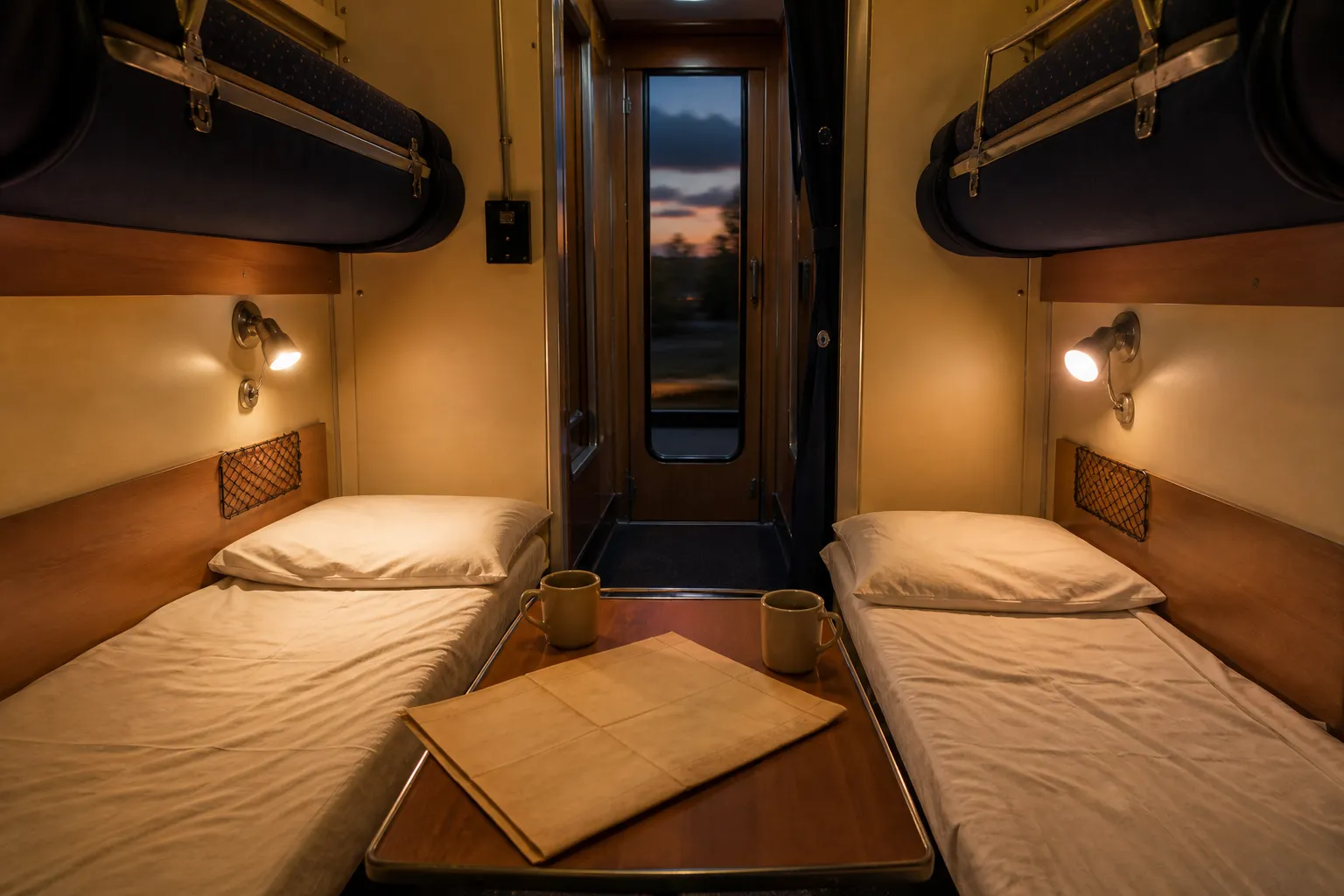
Accept that you will be slower than usual. A night on a sleeper is not the same as a night in a bed, no matter how good the berth. Plan a gentle first morning: one café, one short walk, maybe one quick errand like buying a transit pass. Save the ambitious sightseeing for the afternoon once you have showered and possibly napped. Trying to power through guarantees an early crash later.
The point of planning is not to fill every minute — it is to remove the blank stare at an empty platform at five in the morning. A single decision made in advance (one address, one route, one open door) turns a bleak wait into a quiet start.